
The Cost of Silence in Aviation
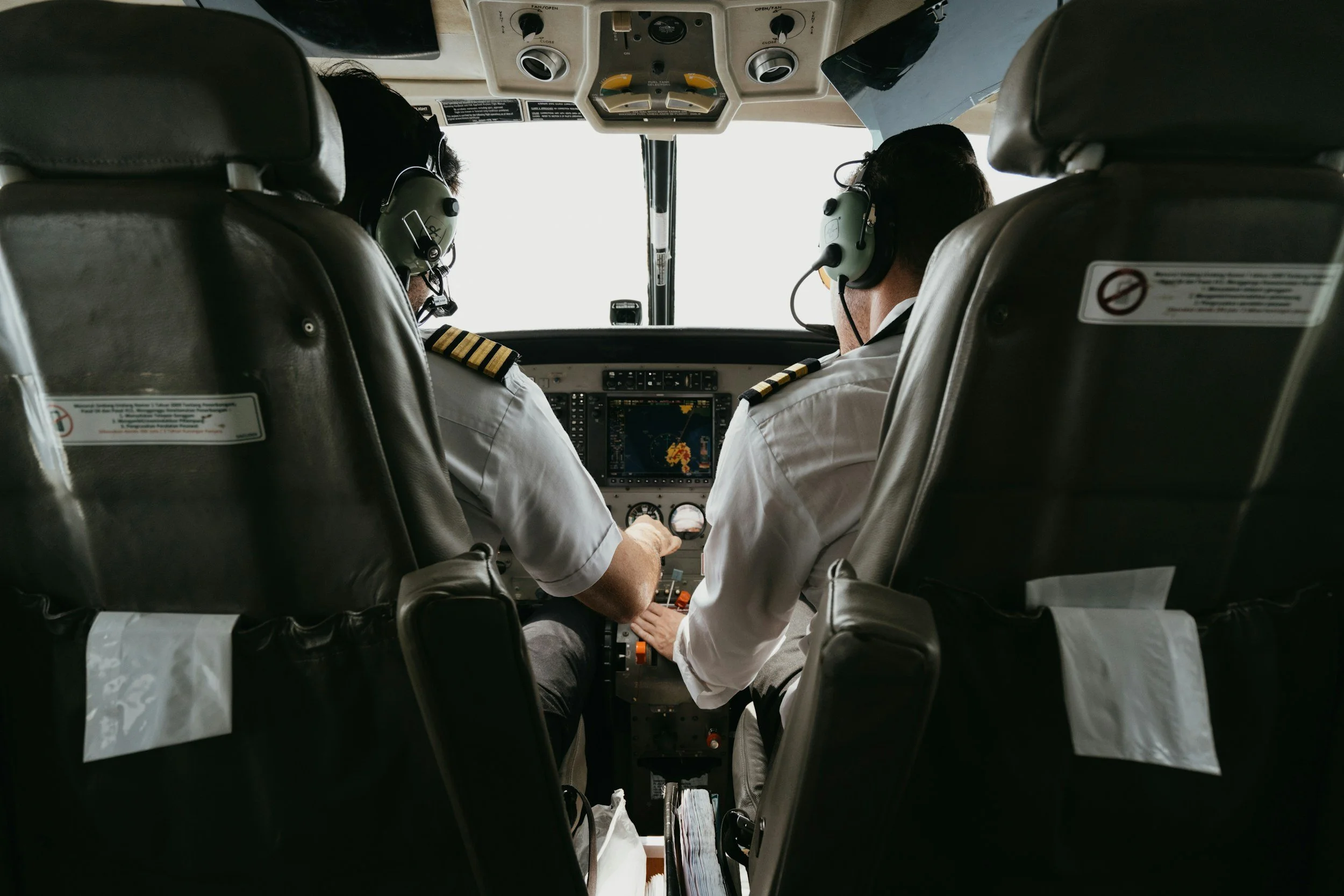
In aviation, silence on the flight deck is a professional discipline. Disciplined communication. Clear callouts. No unnecessary noise. It saves lives.
But the silence we carry off the flight deck? That's a very different kind of dangerous.
This is the silence around exhaustion that dare not speak its name. The anxiety quietly managed behind a composed exterior. The substance use that crept in as a coping mechanism. The career that is slowly breaking someone - and nobody around them knows.
That silence is costing us. And it's time we talked about it.
The Culture of Composure
Aviation attracts - and selects for - a particular kind of professional. Calm under pressure. Decisive. Reliable. Trained to manage the unmanageable without visible distress.
That composure is a genuine professional asset. Managing pressure, maintaining standards, making decisions under scrutiny - these are the hallmarks of a skilled aviation professional, and they matter enormously.
But over time, something shifts. The professional mask becomes the only mask. The standard we hold ourselves to on duty bleeds into how we treat ourselves off it. Admitting struggle starts to feel not just uncomfortable, but dangerous.
And so we push on. Quietly. Alone.
What We Stay Silent About
In my work coaching aviation professionals, the themes that emerge are consistent - and they span every corner of the industry:
• Exhaustion that has moved well beyond tiredness into chronic depletion
• Anxiety and stress that are managed in the short term but never addressed
• Substance use - alcohol most commonly - that began as a way to decompress and became something harder to control
• Burnout so complete that the thought of another roster feels impossible
• A career identity so fused with self-worth that struggling at work feels like failing as a person
These are not rare experiences. They are the lived reality of a significant number of aviation professionals - many of whom are still performing, still showing up, still holding it together on the outside.
Why We Don't Ask for Help
The fear that keeps people silent is not irrational. It is a rational response to a system that has historically treated vulnerability as a liability.
The concerns are real:
• Will speaking up cost me my licence?
• Will this affect my medical?
• What will my crew think of me?
• Am I even allowed to struggle in this industry?
These questions deserve honest answers. And the honest answer is: the industry is changing, but fear is still outpacing progress.
That fear means people wait. They wait until a warning light they have been ignoring for months - sometimes years - becomes impossible to override. And by that point, the recovery is harder, the time away longer, and the personal cost much greater.
We Wouldn't Ignore a Warning Light
Think about it this way.
If an aircraft system flagged a fault, no professional in this industry would ignore it. They would investigate. They would act. They would not wait and see. The entire culture of aviation is built on the principle that you address a problem before it becomes a critical failure.
Your mental health is a warning light. And it deserves the same response.
Ignoring it does not make it go away. It makes the eventual reckoning more significant.
The Industry Is Changing - But We Need to Move Faster
There are positive developments. Peer support programmes, confidential helplines, greater awareness at an organisational level. These are meaningful steps.
But cultural change moves slowly, and in the gap between where the industry is and where it needs to be, individual professionals are still suffering in silence.
That is why confidential, career-aware coaching matters. It is not a clinical intervention. It is a space - outside the organisation, outside the reporting structure - where an aviation professional can be honest about what is actually happening for them, and work through it with someone who understands the world they operate in.
Breaking the Silence Is Not a Risk - It's Airmanship
The bravest thing a pilot can do is not always the most dramatic. Sometimes it is picking up the phone. Admitting that the coping strategy is no longer working. Asking for vectors when you have lost situational awareness of your own life.
That is not weakness. That is self-awareness. And in this industry, self-awareness keeps people safe - including you.